When you have a severe, sudden toothache, it can make you desperate for relief. If you have been experiencing sharp, throbbing pain in your teeth that worsens gradually, it is likely an indication of something serious happening inside your tooth. Whatever the cause, whether from a deep cavity, trauma, or infection, this type of discomfort generally indicates pulp damage or infection inside the tooth. If left unattended, this could result in more serious issues and may even culminate in tooth loss. There is a solution, though, that can restore your tooth to health and alleviate the pain: root canal treatment.
In this blog, we will take a closer look at the root canal procedure and break it down step by step so that you will know what to expect. From understanding the steps involved in root canal treatment to recovery time, we’ll provide all the information you might want to feel confident and prepared. By the end, you’ll know why this procedure is often the best option for long-term relief from that constant pain.
What is a Root Canal Treatment?
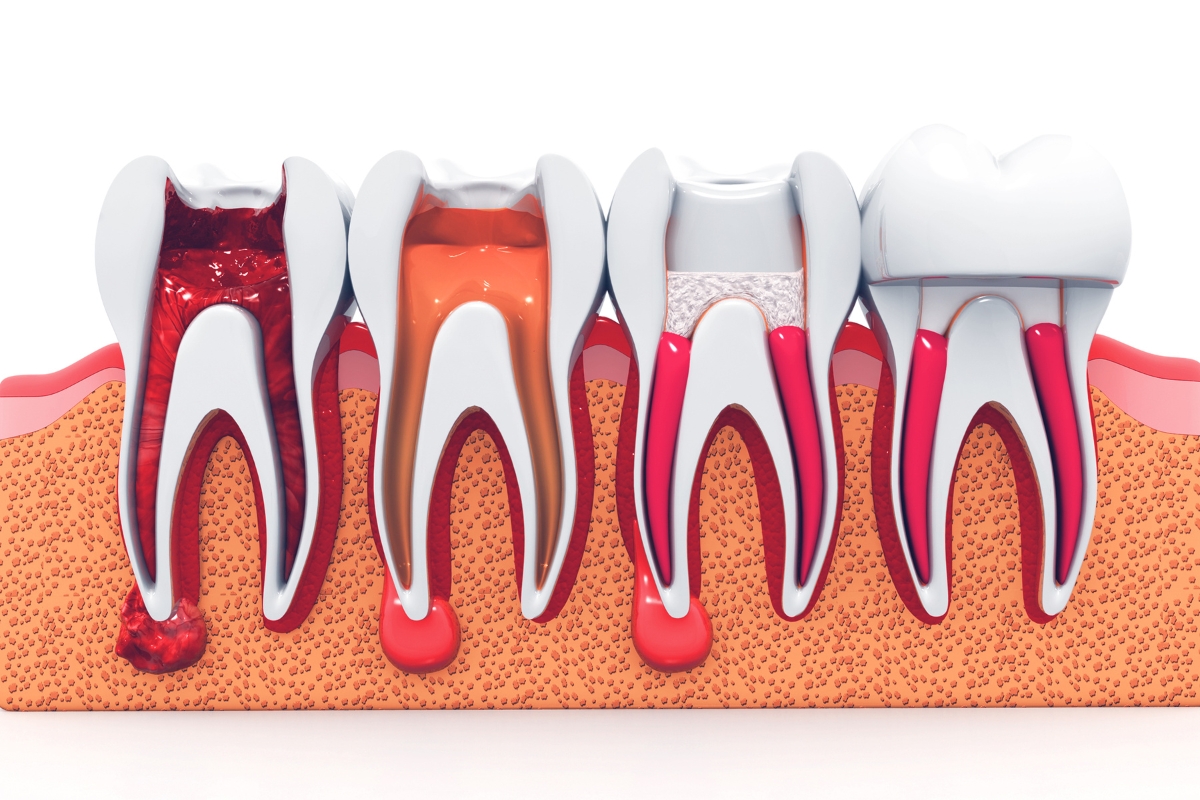
A root canal is a dental procedure that is intended to treat root canal infection, meaning infection of the interior of the tooth. Treatment aims to remove infected or damaged pulp from within a tooth, clean the area, and seal it to prevent further infection. The root canal is necessary to save an otherwise badly damaged or infected tooth that would have to be extracted.
The dentist or endodontist will first take an X-ray to assess the extent of the damage. Following adequate anesthesia, the root canal procedure starts with opening access to the pulp chamber. After the infection has been removed, the inside of the tooth will be cleaned and shaped to receive a filling. Lastly, the tooth is sealed, and most of the time, a crown is placed to restore its functionality and esthetics.
Is Root Canal Painful?
Using today’s techniques and anesthesia, a root canal in Watford, ON, is no more painful than getting a routine filling. In fact, many people report that the pain they feel during a root canal is far less than the pain they felt before the procedure. The process is intended to remove the sharp pain caused by infection or trauma and provide long-lasting relief.
Anxiety about the procedure is understandable, yet it’s essential to recognize that most patients find their fears far worse than the reality. With proper preparation and care, you can rest comfortably knowing that the pain relief from a root canal will more than likely be well worth the temporary discomfort during the treatment.
Root Canal Treatment Steps
Let’s look at the steps involved in root canal treatment, so you can be more comfortable knowing what is entailed:
- Initial Consultation and Diagnosis: Your dentist or endodontist will clinically examine the affected tooth and take X-rays to identify the extent of the damage or infection.
- Anesthesia: The tooth area will be numbed with a local anesthetic. This ensures you remain comfortable throughout the procedure.
- Tooth Access: An access opening is made in the top of the tooth to reach the pulp chamber.
- Cleaning and Shaping: The infected pulp is removed, and the space is cleaned and shaped to prevent further infection.
- Sealing: After cleaning, the area is filled with a rubber-like material called gutta-percha to prevent reinfection.
- Crown Placement: After root canal treatment, a dental crown may be placed to restore your tooth’s strength and cosmetic appearance.
Root Canal Recovery Time
Immediately after the surgery, most people experience very mild discomfort or soreness in the treated area for a few days. This is completely normal and usually manageable with over-the-counter pain relievers. Recovery from a root canal may vary from person to person, but most patients can go back to their usual activities after just a couple of days. You must follow your dentist’s instructions for after-surgery care, including avoiding hard foods and maintaining good oral hygiene.
In the long run, a treated tooth will last for several years. Though some teeth require extra care or treatment later in life, a root canal is a very effective way to relieve tooth pain and restore its function.
Getting Back to Comfort and Health
A root canal may be the solution you need if your tooth pain is unbearable. This will not only relieve pain but also save the tooth so that one can get back to everyday life without the incessant ache. From treating infected teeth to managing dental trauma, a root canal can help restore a smile and provide long-lasting relief for the patient.
From mild tooth sensitivity to sharp pain, the bottom line remains that Watford Dental Office understands how important it is to get you the relief you deserve. Our dental team is devoted to providing high-quality service to make your journey as comfortable and pain-free as possible. Contact us today to schedule your consultation and take the first step toward a healthier, pain-free smile.
FAQs
- What happens if I don’t get a root canal?
If a root canal is not performed, the infection inside the tooth can spread to the surrounding tissues, leading to abscesses, bone loss, or even tooth loss. Without treatment, you may also feel persistent pain, swelling, and difficulty eating or speaking. Early intervention with a root canal helps preserve the tooth and prevent more serious complications. - How do I know if I need a root canal?
You may need a root canal if you experience persistent tooth pain, especially when chewing or applying pressure, or if your tooth becomes sensitive to hot or cold temperatures. Additional signs include swelling of the gums, darkening of the tooth, and a pimple-like bump on the gums. If any of these symptoms occur, it’s essential to consult your dentist as soon as possible. - How long does a root canal procedure take?
The duration of a root canal procedure typically ranges from 60 to 90 minutes, depending on the complexity of the case. In some cases, multiple appointments may be required, especially if the tooth has various canals that need treatment. Your dentist will provide an estimated timeline during the consultation. - Can a root canal fail?
Although rare, root canal treatments can fail if the tooth becomes reinfected or if the filling material used during the procedure doesn’t fully seal the area. In these cases, retreatment may be necessary to remove any remaining infection and reseal the tooth. It is essential to follow your dentist’s post-treatment care instructions to minimize the risk of complications. - What are the benefits of getting a root canal?
A root canal provides several key benefits: it saves a damaged or infected tooth, prevents the spread of infection to other teeth or tissues, and helps restore normal function and comfort. This procedure also eliminates the pain associated with an infected tooth, allowing you to eat and speak normally again without discomfort.