
Full vs Partial vs Implant Dentures: Which Suits Your Smile Best

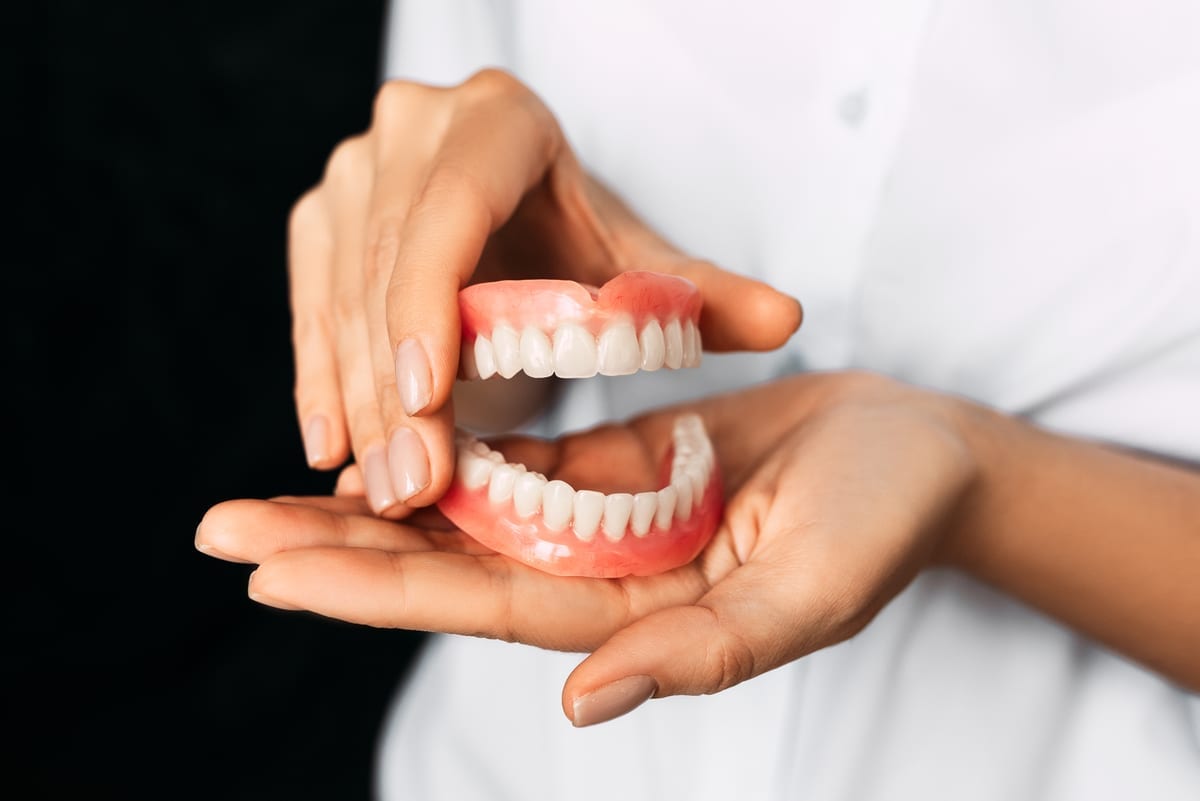
Choosing between full, partial, and implant-supported dentures is a big decision. Many Watford patients ask Dr. Satnam Bhangu the same question: which option actually suits my smile best? Understanding full vs partial vs implant dentures helps you make a confident, informed choice. This guide walks through each type so you know exactly what to expect.
Understanding Full, Partial, and Implant Dentures in Watford
Dentures are removable or fixed dental appliances that replace missing teeth. They restore your ability to eat, speak, and smile with confidence. Modern dentures look far more natural than older versions. Dr. Bhangu and the team at Watford Dental Office offer all three types to suit different needs.
Each type of denture solves a different problem. Full dentures replace an entire arch of missing teeth. Partial dentures fill gaps when some natural teeth remain. Implant-supported dentures anchor securely to the jawbone using titanium posts.
The right choice depends on how many teeth you are missing, the health of your gums and jawbone, and your lifestyle goals. A thorough examination at our Watford practice helps determine which option fits you best.
Full Dentures: Who They Suit and How They Work
Full dentures — also called complete dentures — replace every tooth in the upper or lower jaw. They rest directly on the gum tissue and are held in place by suction. Some patients also use denture adhesive for extra stability. Full dentures are usually the recommended option when no natural teeth remain.
There are two main types of full dentures:
- Conventional dentures — placed after the gums have fully healed following extractions (usually 8–12 weeks)
- Immediate dentures — inserted on the same day teeth are removed, acting as a temporary solution while healing occurs
Full dentures do require an adjustment period. Speaking and eating may feel different at first. Most patients adapt within a few weeks with regular wear and practice.
Over time, the jawbone can shrink without tooth roots to stimulate it. This means full dentures may need relining or replacing every five to eight years. Regular check-ups at Watford Dental Office ensure your dentures continue to fit well.
Partial Dentures: The Right Fit When You Still Have Natural Teeth
Partial dentures are designed for patients who still have healthy natural teeth remaining. They fill in the gaps left by one or more missing teeth. Metal clasps or precision attachments anchor partial dentures to your existing teeth. This keeps them stable during everyday activities like eating and talking.
Partial dentures offer several advantages for suitable candidates:
- Preserve remaining natural teeth by preventing shifting
- More affordable than implant-based solutions
- Easier to adjust or modify if more teeth are lost later
- Removable for easy cleaning and maintenance
- Restore a natural-looking smile quickly
There are also flexible partial dentures made from a softer resin material. These are lighter and less visible than traditional metal-framed options. Your dentist will recommend the right material based on your bite, comfort needs, and budget.
Partial dentures work especially well as part of a broader Restorative Dentistry Watford treatment plan. Restoring missing teeth protects the long-term health of your entire mouth.
Implant-Supported Dentures: Stability, Strength, and Confidence
Implant-supported dentures combine the coverage of a full denture with the security of dental implants. Small titanium posts are surgically placed into the jawbone. The denture snaps or screws onto these posts for a firm, reliable fit. Many patients find implant dentures feel much closer to natural teeth.
There are two main styles of implant-supported dentures:
- Snap-on (removable) implant dentures — attach to implants but can still be removed for cleaning
- Fixed implant dentures — permanently attached and only removable by your dentist
Implant dentures stimulate the jawbone, which helps prevent the bone loss that occurs with traditional dentures. This keeps your facial structure looking fuller and more youthful over time. They also eliminate many of the slipping or discomfort issues associated with conventional dentures.
Candidates for implant dentures need sufficient jawbone density and healthy gums. A full assessment at Watford Dental Office will confirm whether implants are a suitable option for you. The process involves multiple appointments, including surgery, healing time, and final fitting.
Comparing Your Options: Which Denture Type Is Right for You?
Each denture solution serves a specific patient profile. Here is a quick comparison to help you understand the differences:
- Full dentures — best for patients who have lost all teeth in one or both arches
- Partial dentures — ideal when several natural teeth remain and gaps need filling
- Implant dentures — suit patients wanting maximum stability and long-term bone preservation
Cost, healing time, and maintenance also differ between options. Full and partial dentures are typically less expensive upfront. Implant-supported dentures involve a higher initial investment but often provide greater long-term value.
Dr. Bhangu takes time to understand each patient’s unique situation before making any recommendation. Factors like age, oral health, and personal priorities all play a role in the decision. There is no single best answer — only the best answer for you.
It is also worth noting that good oral habits matter no matter which denture type you choose. If you have family members still building healthy dental habits, our team also provides Pediatric Dentistry Watford services to support smiles at every age.
What to Expect During Your Denture Consultation in Watford
Your denture journey at Watford Dental Office begins with a comprehensive consultation. Dr. Bhangu will examine your teeth, gums, and jawbone structure. Digital X-rays and impressions help create an accurate picture of your oral health. You will have the opportunity to ask questions and discuss your goals openly.
From there, the process typically follows these steps:
- Oral health assessment and treatment planning
- Any necessary extractions or preparatory treatments
- Taking impressions and measurements for custom denture fabrication
- Fitting appointment with adjustments for comfort and bite alignment
- Follow-up visits to fine-tune the fit and address any concerns
The timeline varies depending on which type of denture you choose. Partial and full dentures can often be completed in a few weeks. Implant-supported dentures require a longer process due to the surgical phase and healing period.
Our team will guide you through every step. We make sure you feel comfortable and informed before, during, and after your treatment.
Conclusion
Whether you need full coverage, a partial solution, or the stability of implants, Watford Dental Office is here to help you find the right fit. Dr. Bhangu and the team provide honest, patient-centred guidance on all denture options. You deserve a smile that feels comfortable, functions well, and looks great. Book Now to schedule your appointment with our team.
Frequently Asked Questions
How long do dentures typically last?
Full and partial dentures generally last five to eight years before needing replacement or relining. Changes in your jawbone and gum shape affect the fit over time. Regular check-ups at Watford Dental Office help ensure your dentures remain comfortable and functional.
Can I eat normally with dentures?
Yes, most patients can eat a wide variety of foods with dentures. There is an adjustment period at first, and some harder or sticky foods may require care. Implant-supported dentures typically allow the most natural eating experience due to their secure fit.
Are implant dentures suitable for everyone?
Implant dentures require adequate jawbone density and good general oral health. Patients with significant bone loss may need a bone graft first. Dr. Bhangu will assess your suitability during a thorough consultation at our Watford practice.
Do dentures look natural?
Modern dentures are crafted to closely match the appearance of natural teeth and gums. Colour, shape, and size are all customised to complement your facial features. Most people will not be able to tell you are wearing dentures at all.
How do I care for my dentures?
Remove and rinse dentures after eating to remove food debris. Brush them gently daily with a soft brush and denture cleaner. Soak them overnight in a denture solution and visit your dentist regularly for professional checks and adjustments.